PRODUCT SOLUTIONS
Single-use Sacrospinous Ligament Suture Passer
Intended to guide non-absorbable sutures through the sacrospinous ligament during surgical repair of female pelvic organ prolapse.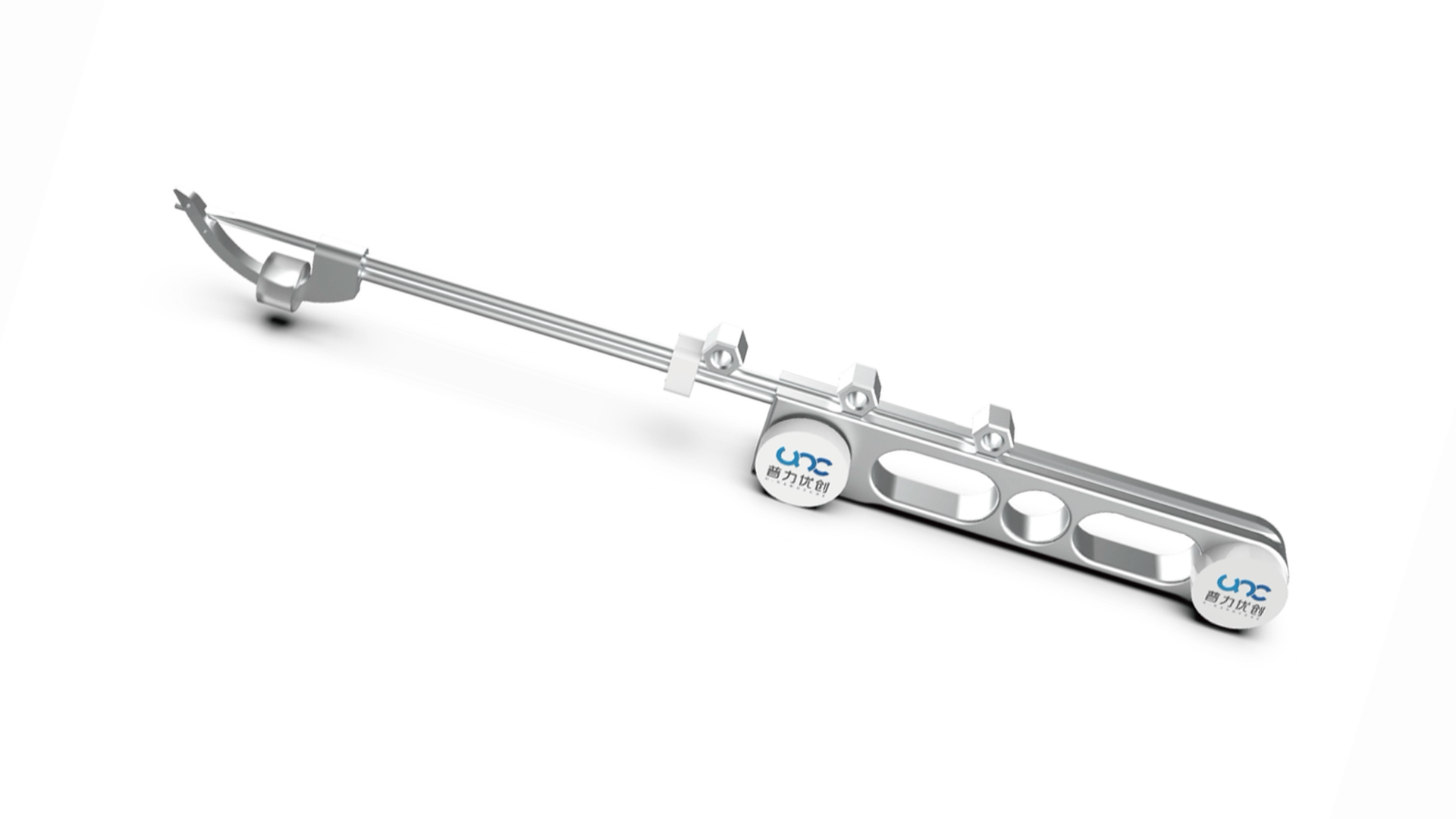
Product features
01More options
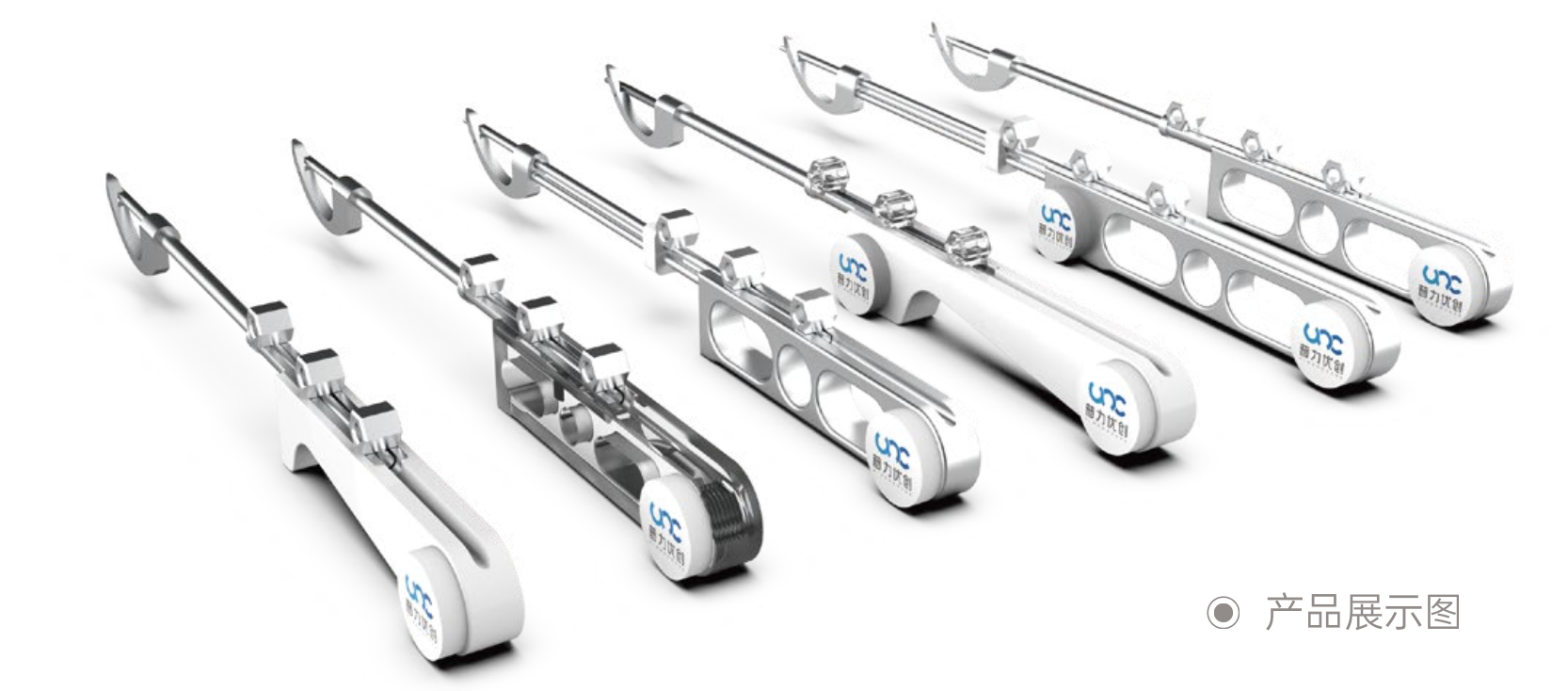
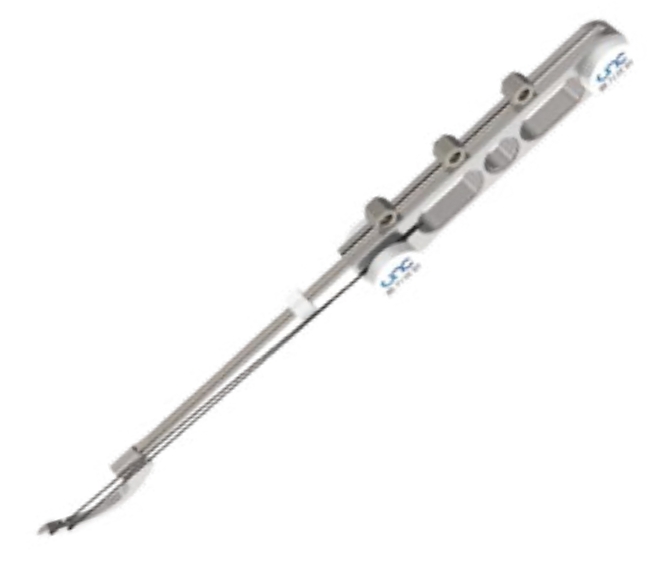
Three suture hooks, six guides and six handles provide 48 models to meet varying procedural requirements.
02Safer
The guide puncture tip has a rounded profile designed to avoid skin scratching while maintaining puncture strength.
03More refined
Individualized form, ergonomic design and visual design improve both usability and product presentation.
04More convenient
Selected models use a semi-automatic suture-clamping mechanism for faster operation; selected products use PTFE coating to reduce friction and support smoother puncture.
Product advantages
Short procedure, fast recovery
Natural-orifice access and autologous tissue repair support a shorter procedure and faster recovery.
Reduced discomfort
Helps reduce complications and patient discomfort associated with implanted foreign materials.
Expanded procedural capacity
Supports complex procedural capability and specialist-service development.
Suture hook
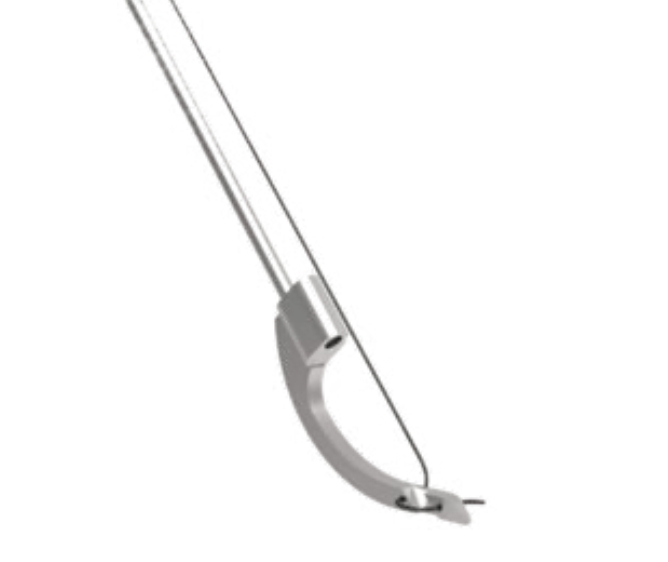
The flattened, rounded hook passes easily and is designed to avoid scratching. Its dual oblique semi-sealed groove helps prevent suture disengagement.
Guide with depth-stop ring
Provides guidance with a positioning hole to help prevent the hook from leaving its path and to control puncture depth.
Distal puncture depth-stop ring
Position can be adjusted freely to control puncture depth.
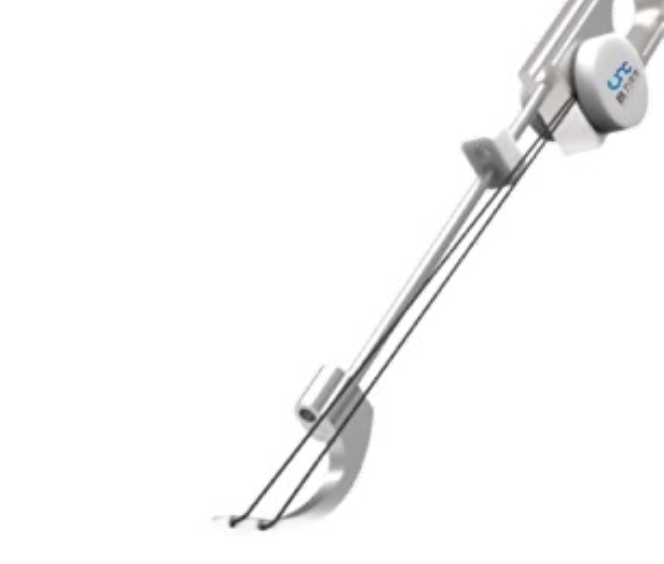
Quick suture-clamping method
Conventional suture-clamping method
Procedure steps
 1
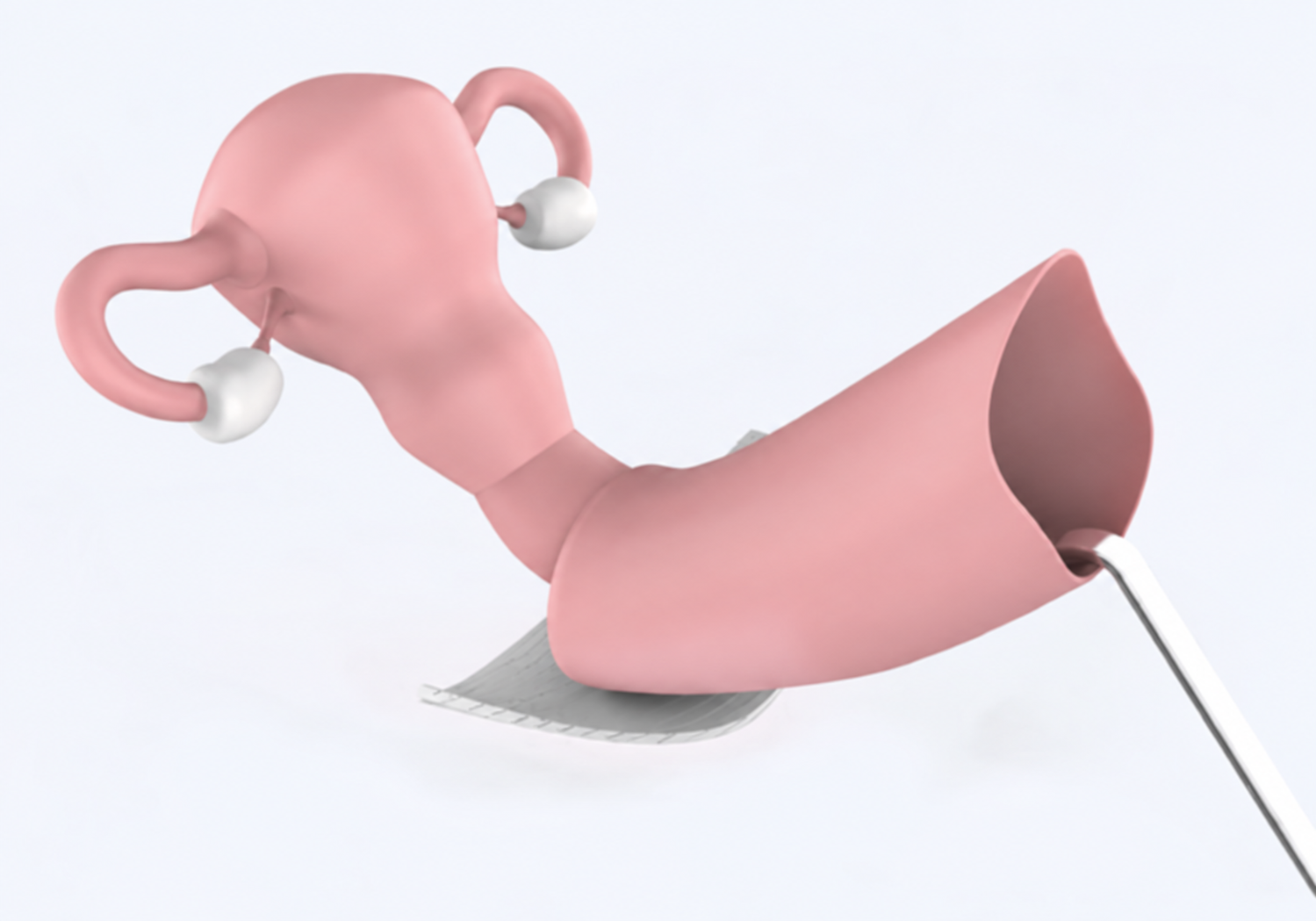
1Develop the bilateral rectovaginal spaces.
 2
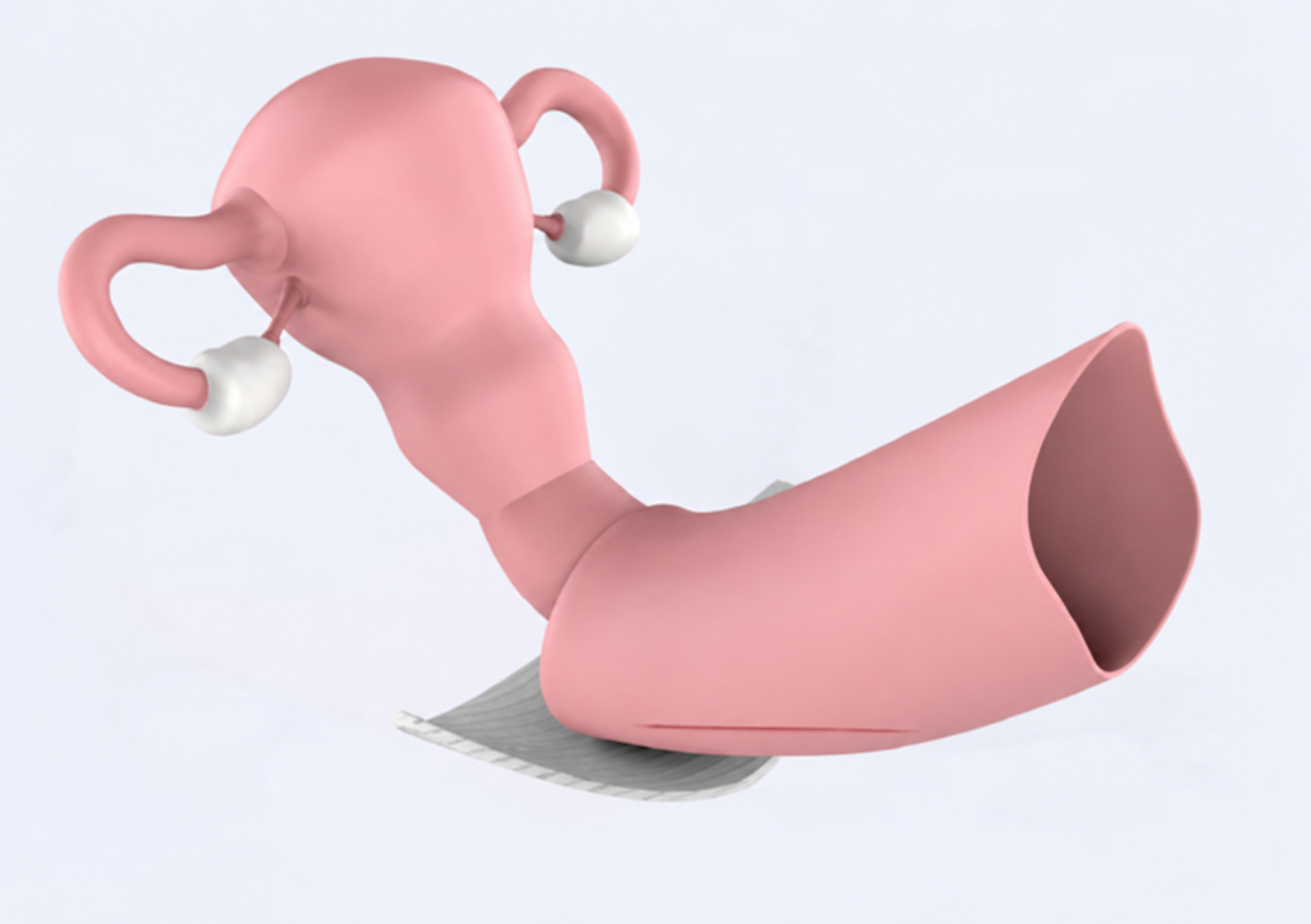
2Develop the posterior pelvic space.
 3
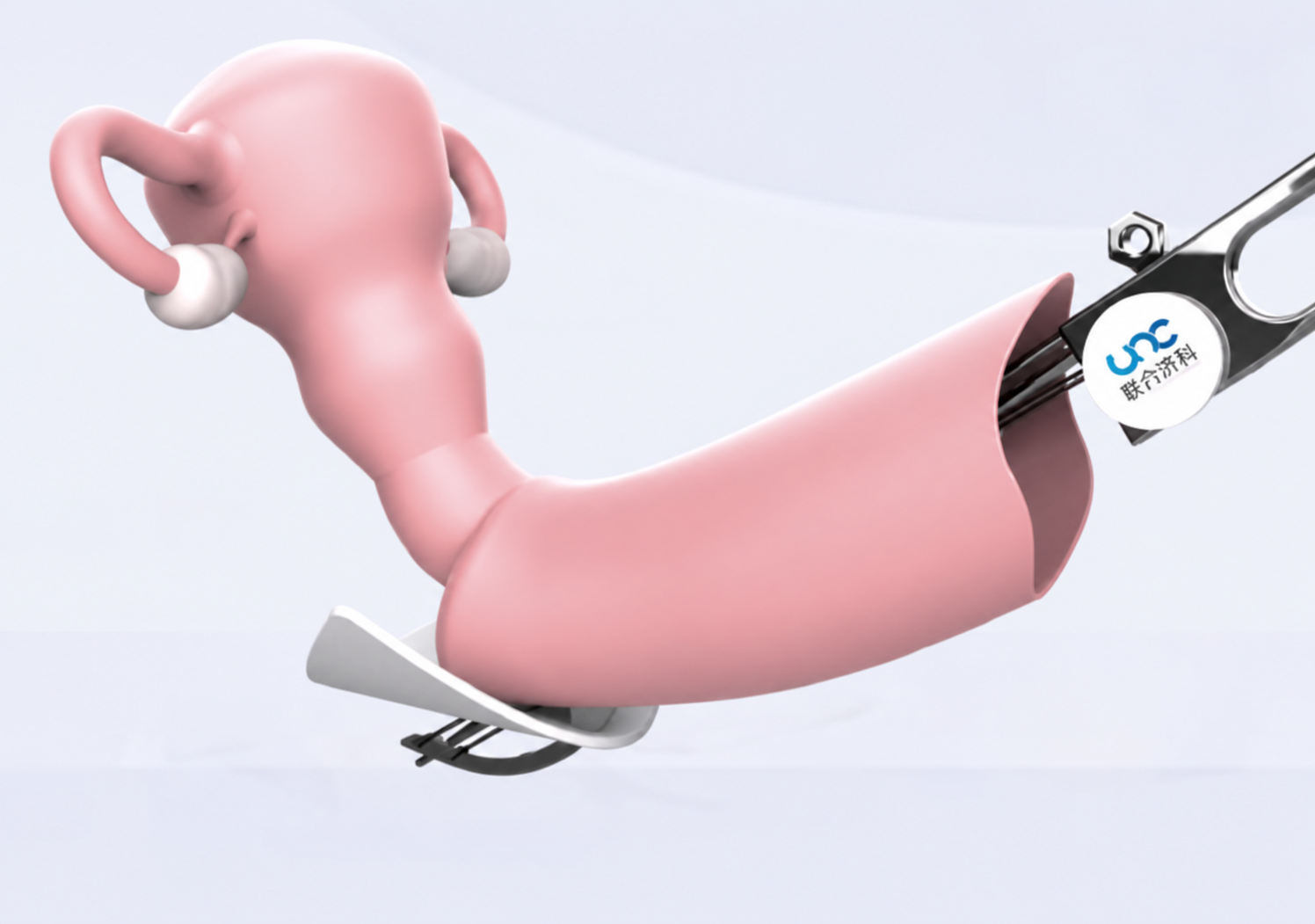
3After passing the puncture guide through the sacrospinous ligament, pass the suture through the ligament 2 cm medial to the ischial spine.
 4
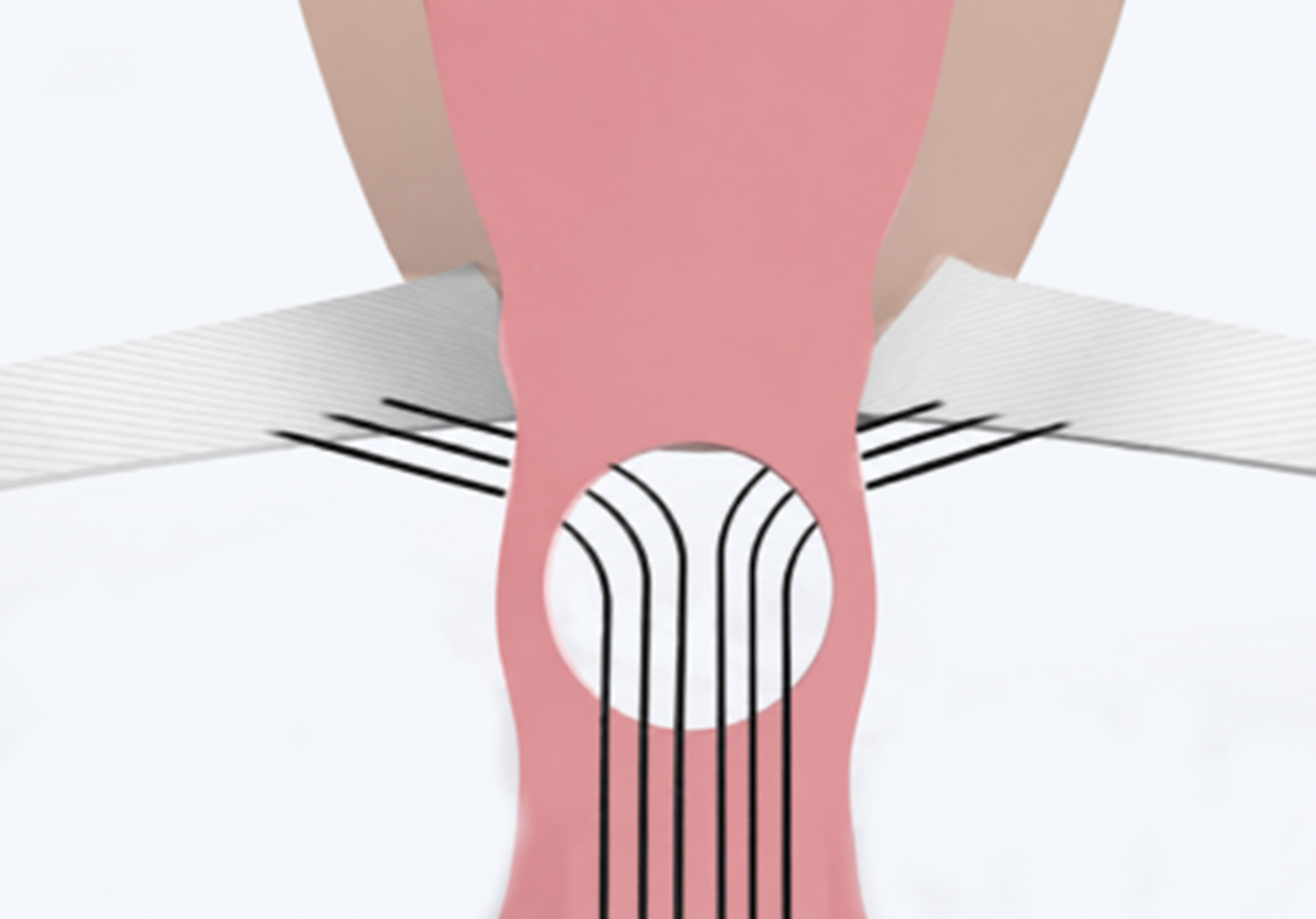
4Suture the other end to the residual uterosacral ligament and posterior vaginal wall.
 5
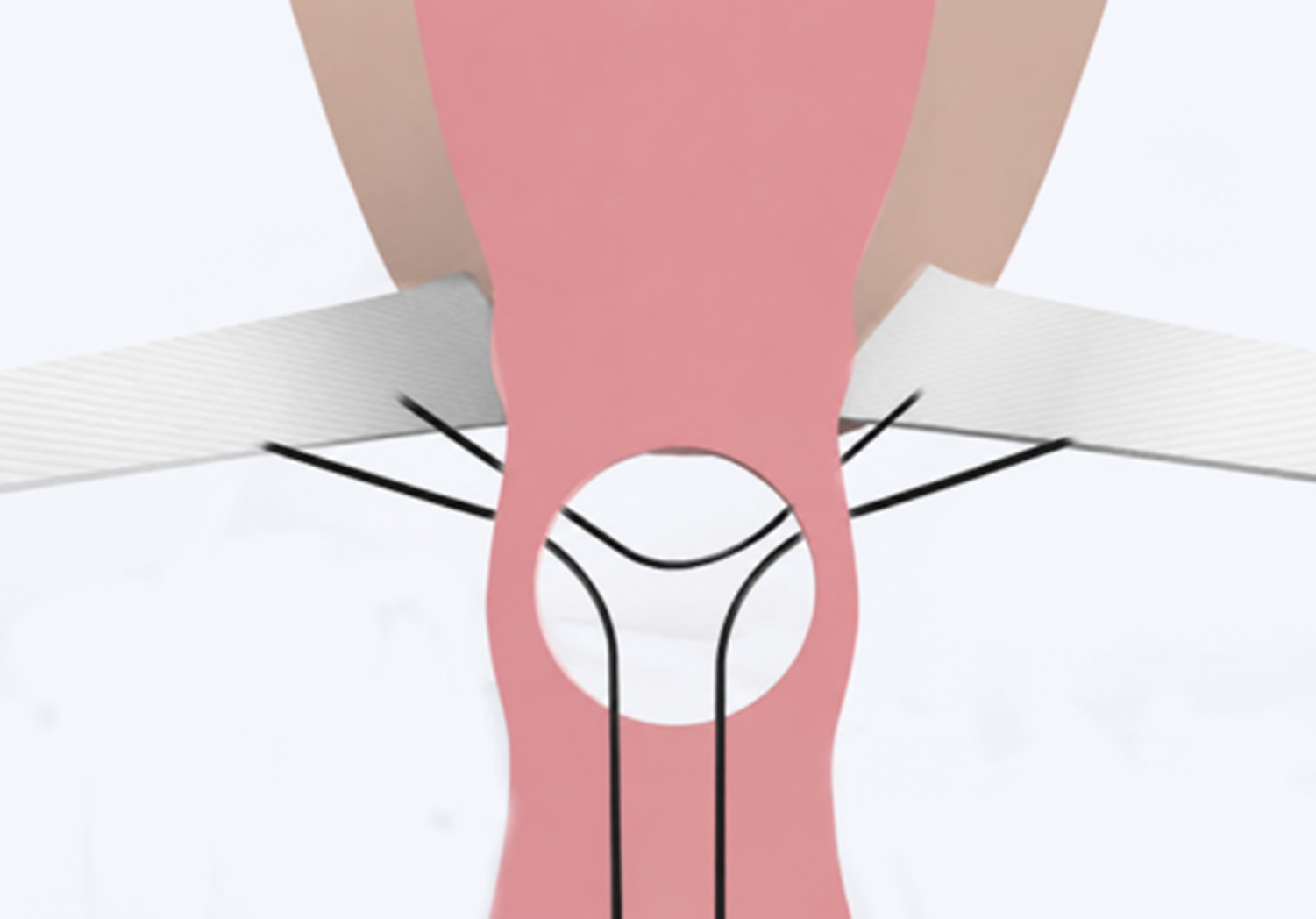
5When the vaginal wall approaches the vaginal cuff, tie the sutures passed through the sacrospinous ligament.
 6
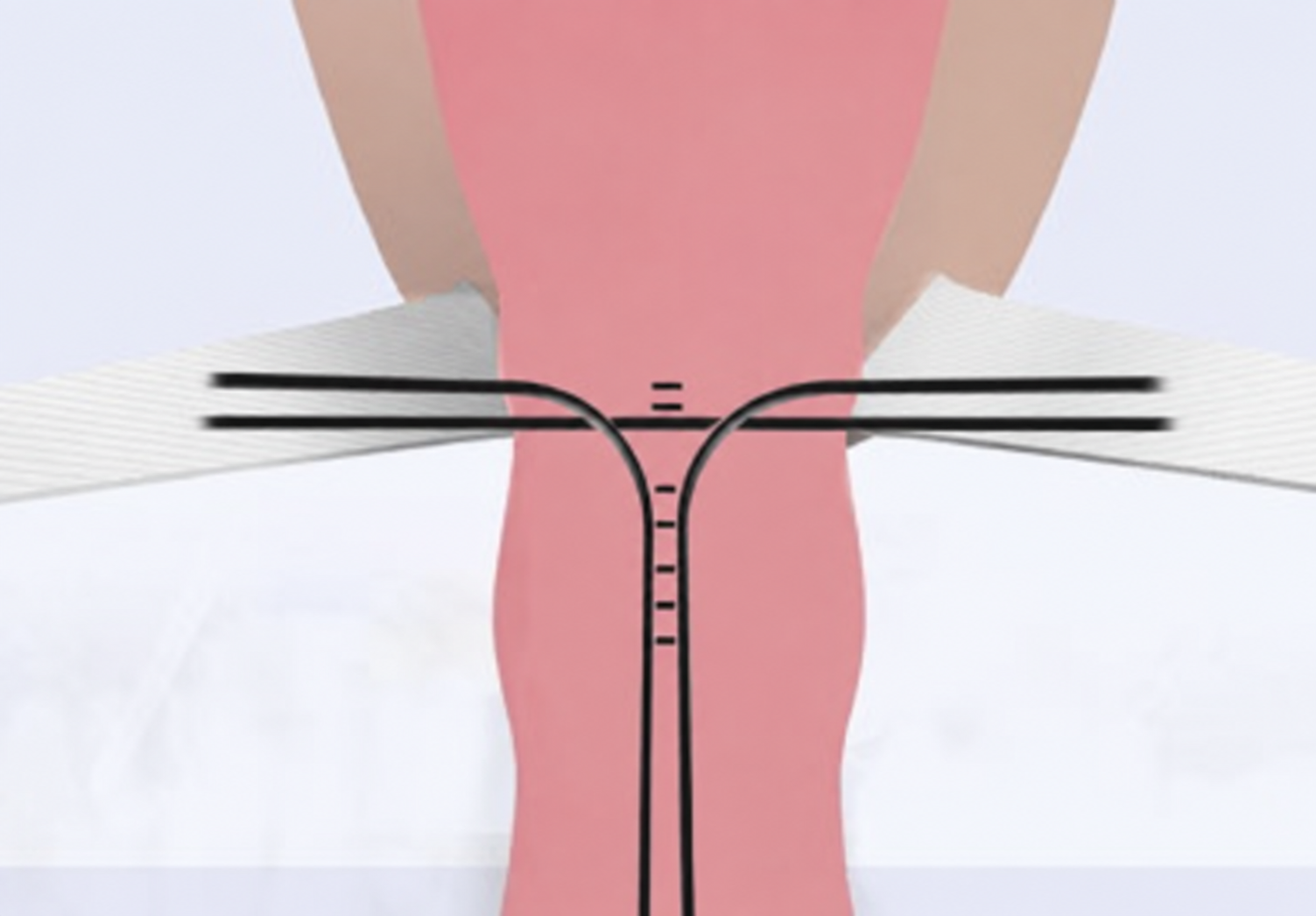
6Elevate the vaginal cuff above the ischial spines, then proceed with cuff closure.
Models and suture-clamping workflow
6 appearances 48 models
1 Thread the suture through the two eyelets in the instrument.
2 Place the suture in the recessed groove of the clamping screw, tension it and secure it.
3 Once secured, the suture can be hooked and exchanged for extracorporeal suturing.